THE STATION

The History of Les 7 Laux

Prapoutel - Pipay - Le Pleynet

Les 7 Laux was born in 1962 out of the desire of a number of communes to develop their mountain areas, and over the decades it has built up a strong identity and a well-established reputation among mountain enthusiasts. Here’s a look back at a history of ambition, resilience and renewal.

The history of Les 7 Laux

Continued growth since 1962

The history of Les 7 Laux can be divided into several major stages, each of which has had a profound impact on this iconic resort. From its creation in 1962, when an inter-municipal syndicate decided to develop the Fanges, Roche Noire and 7 Laux massifs, to the major investments made in the 1990s, the resort has continued to attract an ever-growing number of visitors.

Now one of Grenoble’s favourite ski destinations, Les 7 Laux has gone through three major phases in its history.

From 1962 to 1989: the beginnings of a great estate

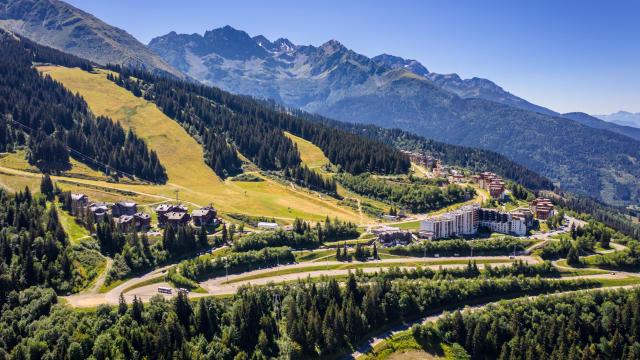
It all started with a simple ambition: to develop exceptional massifs. It was an inter-municipal syndicate of seven communes that gave birth to the project. The resort officially came into being in 1971, with the construction of access roads and the installation of seven ski lifts. It would take almost fifteen years to obtain the necessary concessions and build the first facilities, before the first beds were created in 1977. A vast building project then took shape, with an initial target of 3,500 beds at Prapoutel and 1,200 at Le Pleynet, plus the necessary infrastructure and facilities.

This period ended on a high note, with the arrival of the first four-seater chairlifts: La Linguelle in Pipay, a strategic access route to the resort, Pouta on the Prapoutel side, providing access to peaks at 2,450 m, and Oursière, giving access to slopes covered in generous amounts of snow. The first sports facilities were also built, including a climbing wall and an aquatic centre.

1989 to 1996: difficulties before the revival

After a promising start, the resort, like others in the département, went through a period of financial turbulence. From 1992 to 1996, the only priority was to maintain a balance: the management could not tolerate any deficits. Two consecutive winters without snow eroded the meagre margins available. Faced with this situation, an investment plan was drawn up to clean up the resort and make it more reliable.

From 1996 to 2010: renewal and golden years

New investments breathed new life into the resort. The Lac chairlift and the development of artificial snow marked a decisive turning point. Exceptional seasons made it possible to finance ever-more-modern mechanical equipment, consolidating the popularity and reputation of Les 7 Laux. 2009 and 2010 were record-breaking seasons.

From 2011 to today: a resort that knows how to adapt

Since 2011, the seasons have come and gone without ever looking the same. The vagaries of the weather and snow conditions remain capricious, but the resort has been able to anticipate: thanks to artificial snow and ski lifts that allow skiers to ski at altitude – particularly on the Prapoutel side – Les 7 Laux offers a quality experience to its skiers every year.

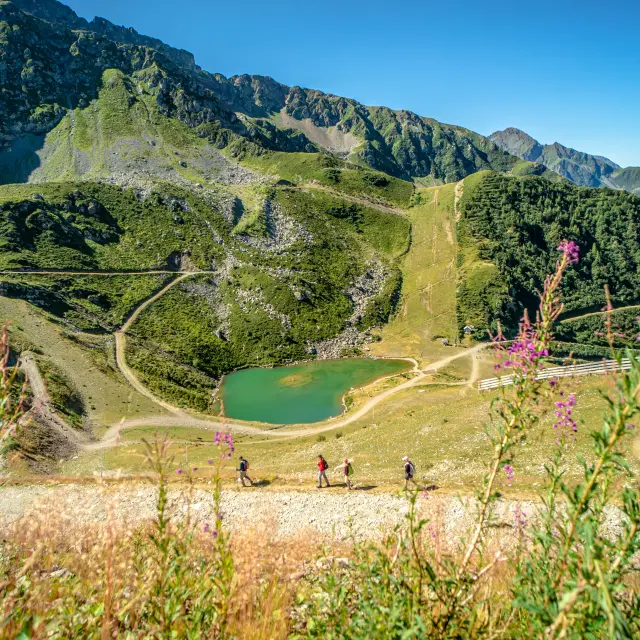
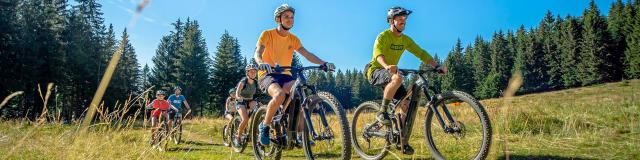
The resort has also reinvented itself over the seasons to offer a wide range of summer activities, welcoming holidaymakers in search of new sensations and authentic mountain experiences.

Did you know

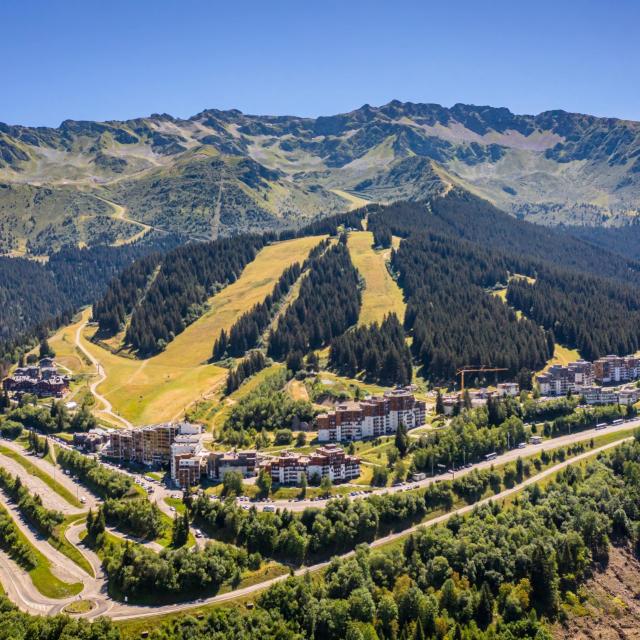
Les 7 Laux has three sites: Prapoutel and Pipay in the Isère valley and Le Pleynet in the Haut-Bréda valley.